
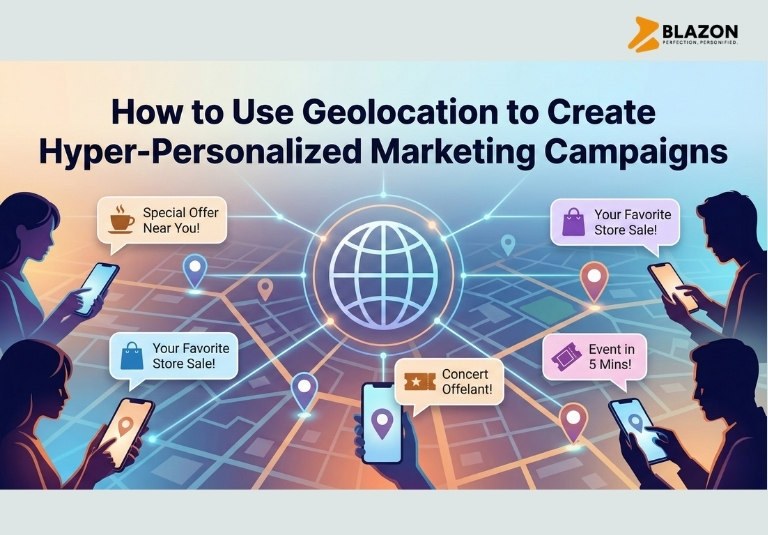
In today’s digital world, knowing where your customers are can be as powerful as knowing who they are. When you use geolocation data smartly, you can deliver marketing messages that feel personal, relevant, and timely — and that’s when marketing really works. Here’s how you can use geolocation to build marketing campaigns that truly connect.
What Is Geolocation Marketing — And Why It Works
Geolocation marketing (also called location-based marketing) uses a user’s real‑time or past location — via GPS, IP address, Wi‑Fi, or other location signals — to show customized content, offers or ads depending on where they are or where they’ve been.
This works because people behave differently when they are in different places. Maybe someone near your store is more likely to visit. Or maybe people in one city respond better to seasonal discounts than people in another. Geolocation helps you meet people where they actually are.
Benefits of geolocation marketing include:
- Better targeting — you reach the right people, in the right place, at the right time.
- Stronger personalization — messaging feels more relevant when it matches someone’s location or local context.
- Improved ROI — you waste less by focusing only on users who are likely to act on nearby offers.
Smart Ways to Use Geolocation in Your Marketing
Here are some practical, real ways you can use location data to run effective campaigns.
1. Geo‑targeted Ads & Local Offers
Use user location (city, zip code or even neighborhood) to show ads or promotions featuring local context. For example:
- If you have a clothing store in Chennai, show a “Monsoon Sale – 20% off” ad only to users currently in Chennai or nearby.
- If a user is traveling to a new city, show ads for your online store’s delivery services in that region — or highlight products that suit local climate or festivals.
This makes your ads more relevant and increases the chance of conversion.

2. Geo‑fencing and Proximity Alerts
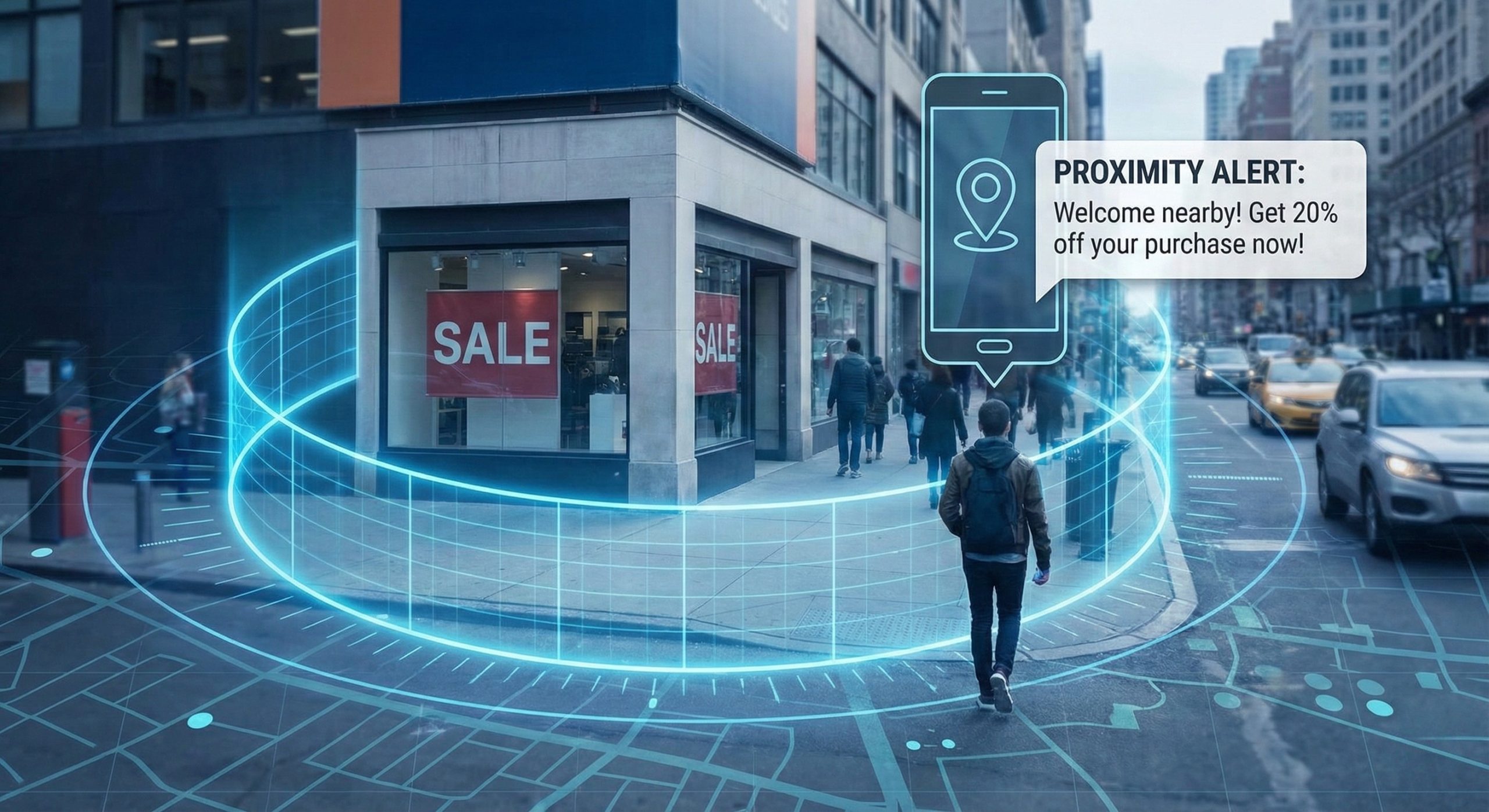
Geo‑fencing means drawing a virtual “fence” around a physical store, event venue or area. When a user’s device enters (or exits) this area, you can trigger a notification — a discount, a reminder, a welcome message, etc.
This is great for:
- Local stores trying to draw foot traffic.
- Events or pop-up shops wanting to reach nearby potential visitors.
- Restaurants or cafes offering instant deals when people walk nearby.
3. Personalized In‑App / Website Content
If someone visits your site or app from a certain location, tailor the experience to them:
- Show products or services that are available nearby or deliverable to their area.
- Display content in local languages or regional styles.
- Show temperature‑ or weather‑based offers (like raincoats in a rainy city, or summer wear in hot zones).
This level of personalization makes your brand feel more thoughtful and relevant.

4. Audience Segmentation by Location + Behavior
Use location history and behavior data to build audience segments. For example:
- People who frequently travel between city A and city B.
- People who visit competitor store locations (geo‑conquesting).
- People who prefer certain local events, malls, or neighborhoods.
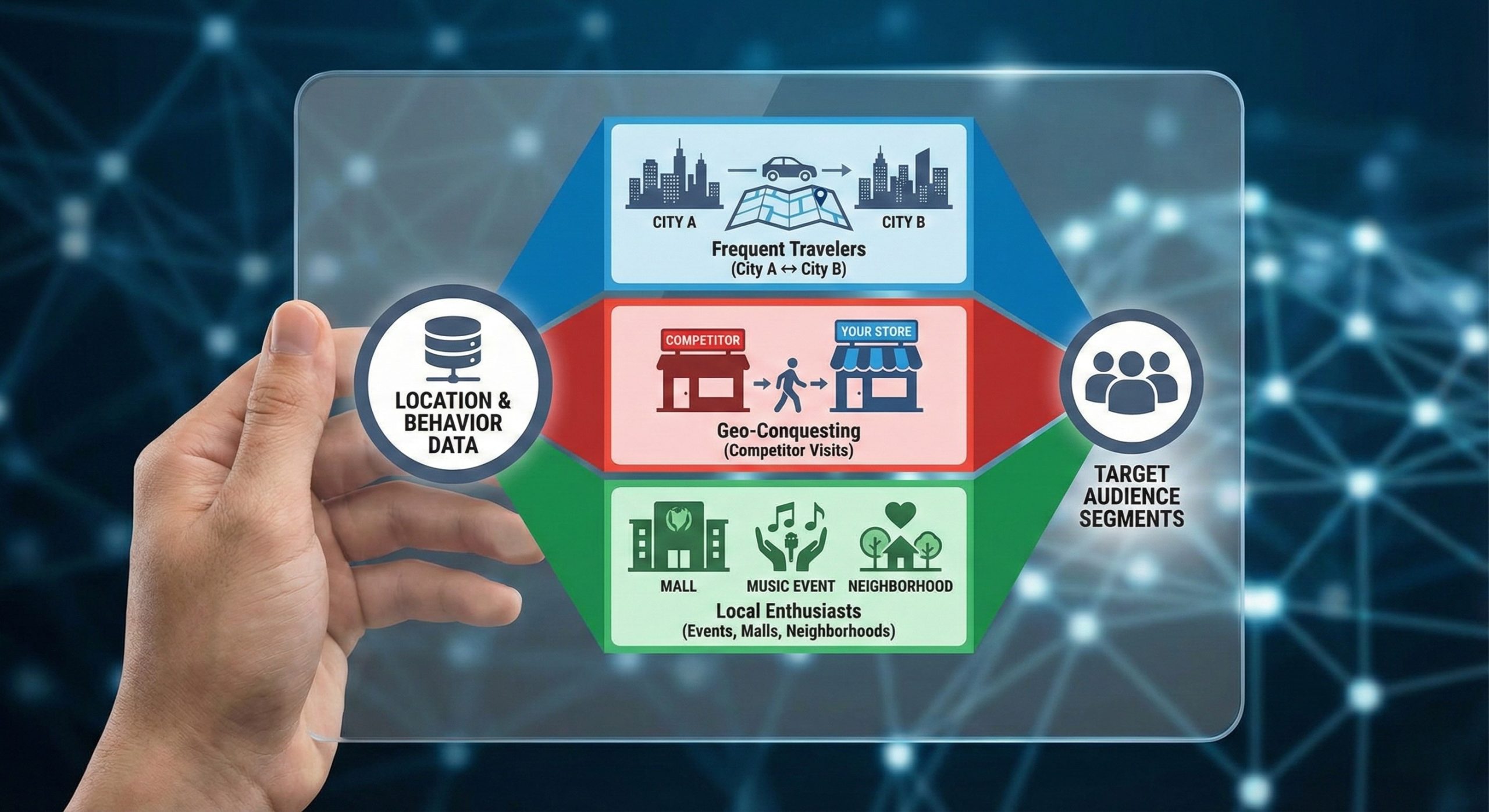
With this segmentation, you can design campaigns that speak directly to their lifestyle or habits — not just generic mass messages.
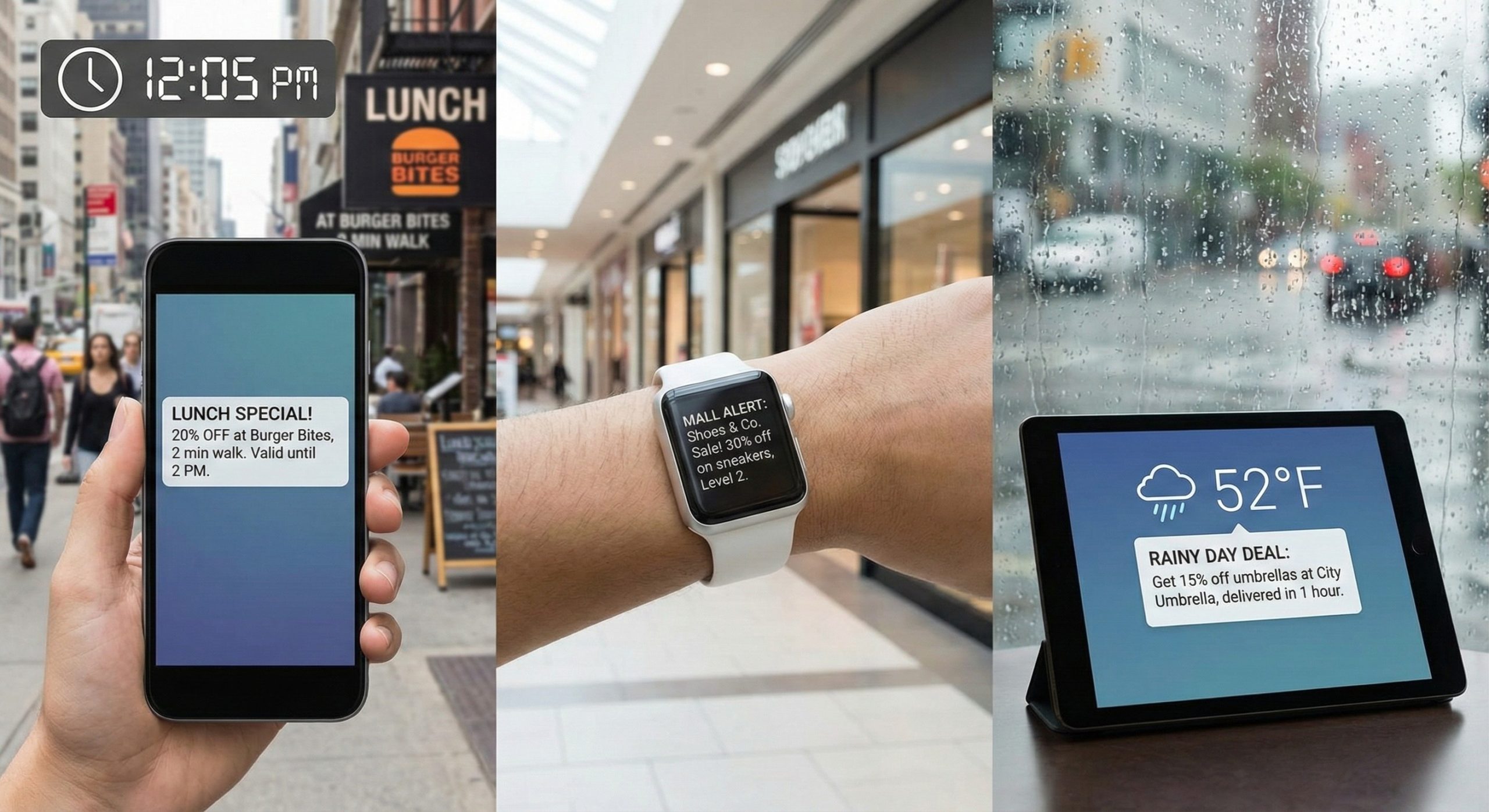
5. Real‑Time Contextual Campaigns
Combine location data with real‑time triggers to deliver timely, relevant messages. Examples:
- Send a push notification with lunch‑special offers to users near your restaurant around noon.
- If a user enters a mall, trigger a message about ongoing sales or discounts in nearby shops.
- Offer weather‑based promotions: like discounts on umbrellas if it’s raining outside their location.
Best Practices & What to Watch Out For
Using geolocation is powerful — but you should do it thoughtfully.
- Always get user consent before collecting location data. Transparency builds trust.
- Be clear about the value exchange — why are you asking for their location? Offer meaningful benefits (e.g. local discounts, better customization).
- Segment carefully. Don’t treat all users the same. Location + behavior segmentation yields better results.
- Use real‑time and historical data together. If a user often visits malls on weekends, don’t just target them randomly — time your campaigns accordingly.
- Respect privacy regulations (local laws, GDPR/CCPA if applicable). Clean and ethical data use helps avoid trust issues.
Example: Geolocation Campaign Flow
| Step | What You Do |
| 1 | Ask user to allow location access (with clear message about benefits) |
| 2 | Segment user based on location/behavior data |
| 3 | Trigger location-based content: geo‑targeted ads, push notifications, offers |
| 4 | Show dynamic content (products, messaging, discounts) relevant to their region |
| 5 | Track engagement, footfall (if physical store) or conversions |
| 6 | Refine and repeat — use data to improve future campaigns |
Why Geolocation Marketing Matters Today
Smartphones and internet‑connected devices are everywhere. More than before, people discover and decide while on the go — in transit, while walking near shops, or browsing from different cities. Using geolocation lets marketers meet them in the moment, offering something useful exactly when it makes sense.
A location‑aware strategy can drastically improve engagement and conversion because it feels personal, relevant and timely.
Final Thought
If you want your marketing campaigns to stand out — to feel personal, relevant, and thoughtful — geolocation is one of the smartest tools you can use. From geo‑targeted ads to proximity notifications to personalized in‑app content, geolocation allows you to meet customers where they are, both physically and mentally.
When done right — with respect for privacy, clear messaging, and real value — geolocation marketing doesn’t just bring clicks. It brings trust, loyalty and stronger results.
If you ever need support designing or executing geolocation‑based marketing campaigns, Blazon can help. We specialize in building data‑driven, location‑aware digital marketing strategies that boost engagement and drive growth.
Give it a try — and watch your campaigns become more personal, more effective, and more real for your customers.