
Marketing teams in 2026 are under constant pressure. More channels, more data, tighter timelines, and the same headcount. The work itself is not new, but the pace is. What has changed is how much manual effort still hides behind everyday tasks like planning campaigns, writing content, tracking results, and reporting progress.
This is where AIO tools are making a real difference.
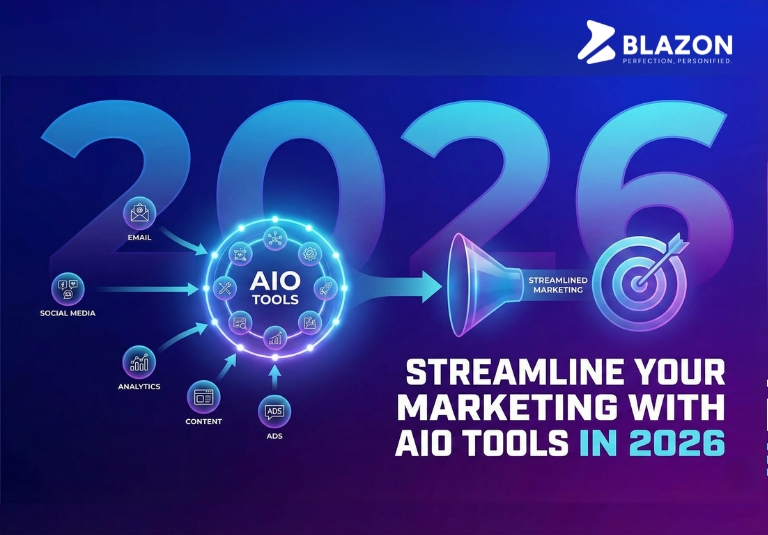
AIO tools bring multiple marketing tasks into one connected system. Instead of jumping between separate platforms for planning, content, email, ads, and reporting, teams can work from fewer dashboards and cleaner workflows. The result is less chaos and more focus.
Why marketers are moving toward AIO tools
Most marketing stress does not come from creative work. It comes from repetition. Copy-pasting data. Updating sheets. Checking five tools to answer one simple question.
AIO tools reduce that friction. They help teams:
- Plan campaigns in one place
- Execute faster without rushing
- Track performance without manual reporting
- Keep messaging consistent across channels
When routine work takes less time, people can focus on strategy and judgment instead of admin tasks.
Where AIO tools help the most
AIO tools tend to shine in four areas.
Planning and workflow
Campaign timelines, task ownership, and progress tracking become visible to everyone. This reduces last-minute confusion and missed deadlines.
Content and messaging
Drafts, variations, and optimization suggestions can be handled faster, giving teams more room to refine rather than start from zero.
Automation
Follow-ups, data syncing, and alerts can run quietly in the background, reducing human error.
Reporting
Instead of pulling numbers from different sources, teams get a clear view of what is working and what is not.
AIO tools to consider in 2026
Below are widely used tools that fit well into an AIO-led marketing setup. You do not need all of them. The idea is to pick based on your biggest bottleneck.
All-in-one marketing platforms
HubSpot
Covers email campaigns, landing pages, automation, CRM, and reporting in one system. Useful for teams that want marketing and sales working from the same data.
Zoho Marketing Plus
A practical option for small and mid-sized teams. It combines campaigns, social posting, analytics, and customer tracking at a lower cost.
ActiveCampaign
Strong in email flows and customer journeys. Works well when personalization and follow-ups are central to growth.
Content and search-focused tools
Semrush
Handles keyword research, site checks, content planning, and performance tracking from one dashboard.
Ahrefs
Known for search data and content gap analysis. Useful for teams focused on organic visibility.
Frase
Helps structure content around real search intent and common questions, which saves editing time.
Planning and collaboration
Monday.com
Good for campaign planning, timelines, and task ownership. Flexible enough for agencies and in-house teams.
Notion
Works well as a central space for plans, docs, and internal processes. Not heavy on automation, but very adaptable.
Automation and execution support
Zapier
Connects tools and automates repetitive actions without coding.
Make
Handles more complex workflows and data logic for teams with advanced needs.
Analytics and behavior insight
Google Analytics
Still a core tool for understanding traffic and conversions when set up properly.
Hotjar
Shows how people interact with pages through heatmaps and session recordings, adding context to numbers.
How to build an AIO stack without overloading the team
One common mistake is adopting too many tools at once. That creates confusion instead of clarity.
A better approach is:
- Identify the biggest daily frustration
- Choose one AIO tool that addresses it
- Give the team time to adapt
- Add another tool only when needed
For example, if reporting takes hours every week, start there. If content production is slow, focus on content tools first.
Human judgment still matters
AIO tools do not replace thinking. They support it.
The best teams use these tools to handle structure and speed, while people focus on messaging, positioning, and decisions. When automation is reviewed and guided by humans, results improve without losing control.
Final thoughts
In 2026, marketing success depends less on working longer hours and more on building smarter systems. AIO tools help bring order to busy workflows, reduce repetition, and give teams space to think clearly.
Used well, they make marketing calmer, more predictable, and easier to scale. Used blindly, they add noise. The difference lies in choosing tools with intent and keeping people at the center of the process.